Enhancing Global Link Building ROI
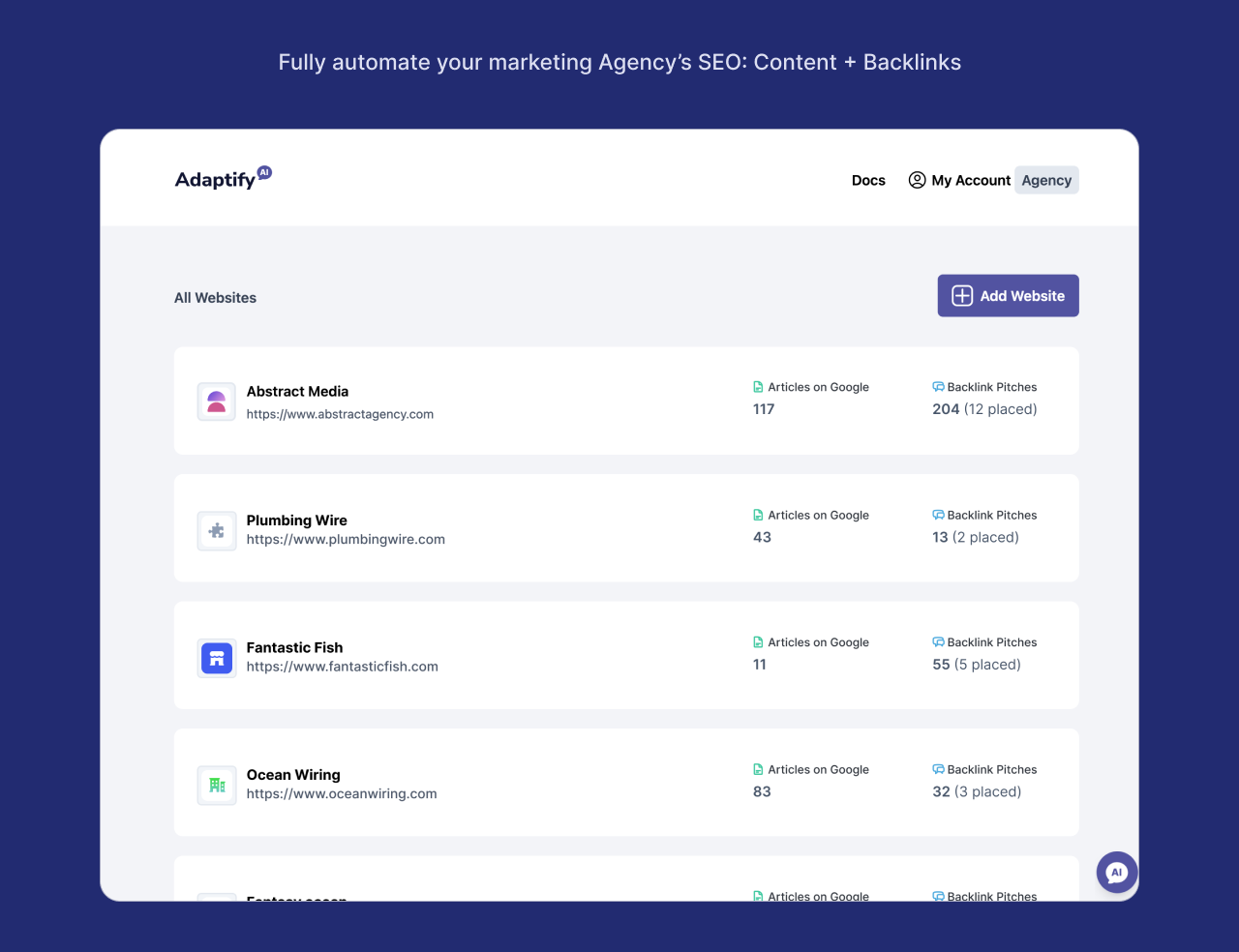
Did you know that SEO can now be driven by APIs, unlocking unprecedented automation and scalability? Welcome to the world of API-driven SEO, where the power of code meets the art of search engine optimization. API-driven SEO leverages to automate and enhance various SEO jobs. Rather of relying solely on manual procedures, this technique utilizes code to connect with various SEO tools and data sources.
: Handle SEO efforts throughout several websites and pages efficiently.: Gain access to and evaluate up-to-date information to make informed decisions. Unlike standard SEO, which often involves manual information collection and analysis, API-driven SEO stresses programmatic access to information and automated execution of tasks. This shift lowers the time spent on repeated data collection while keeping the exact same level of information and control over the output.
Today's SEO landscape is significantly intricate. Browse algorithms progress constantly, and the volume of information to examine can be overwhelming. Handbook SEO jobs simply can't keep up. API-driven SEO supplies an option by:: Managing massive SEO campaigns ends up being more manageable.: Real-time information analysis results in more efficient techniques.
Proven Strategies for Technical Automation Mastery
API-driven workflows are central to programmatic, product-led, and programmable SEO strategies.: APIs allow the automated generation of landing pages and material based upon data.: APIs allow you to integrate SEO insights straight into your item advancement process.: APIs provide the flexibility to tailor and automate every element of your SEO workflow.
In the next area, we'll explore some necessary APIs that are vital for SEO experts looking to automate and scale their efforts. APIs are like digital Lego bricks, permitting different software application systems to link and share details. Comprehending the basics of APIs is essential for SEO specialists seeking to leverage the power of automation and information.
Think about them as digital messengers that provide requests and reactions between systems. For non-technical online marketers, an API is essentially a method for one piece of software to ask another piece of software application for information or to carry out a task.: These are specific URLs where an API "lives." When you want to access information or functionality, you send out a request to a specific endpoint.
They often consist of specific parameters to filter or define the information you need.: This is the data the API returns after getting a request, typically in a structured format like JSON or XML.: This is the process of confirming your identity to guarantee you have permission to access the API.
Mastering Professional Mastery in SEO Automation
Typical API formats consist of, which is commonly used for its simplicity and is typical for lots of information retrieval APIs, and, which offers more versatility in specifying data requirements, making it helpful for intricate queries involving multiple data points from a single API call. Several APIs are essential for SEO professionals seeking to automate and scale their efforts.
You could use this API to automate day-to-day rank tracking reports or recognize underperforming questions for material optimization.: Offers insights into the performance of your web pages, along with recommendations for enhancement. This can be utilized to automatically examine page speed throughout your entire website and flag pages needing attention.
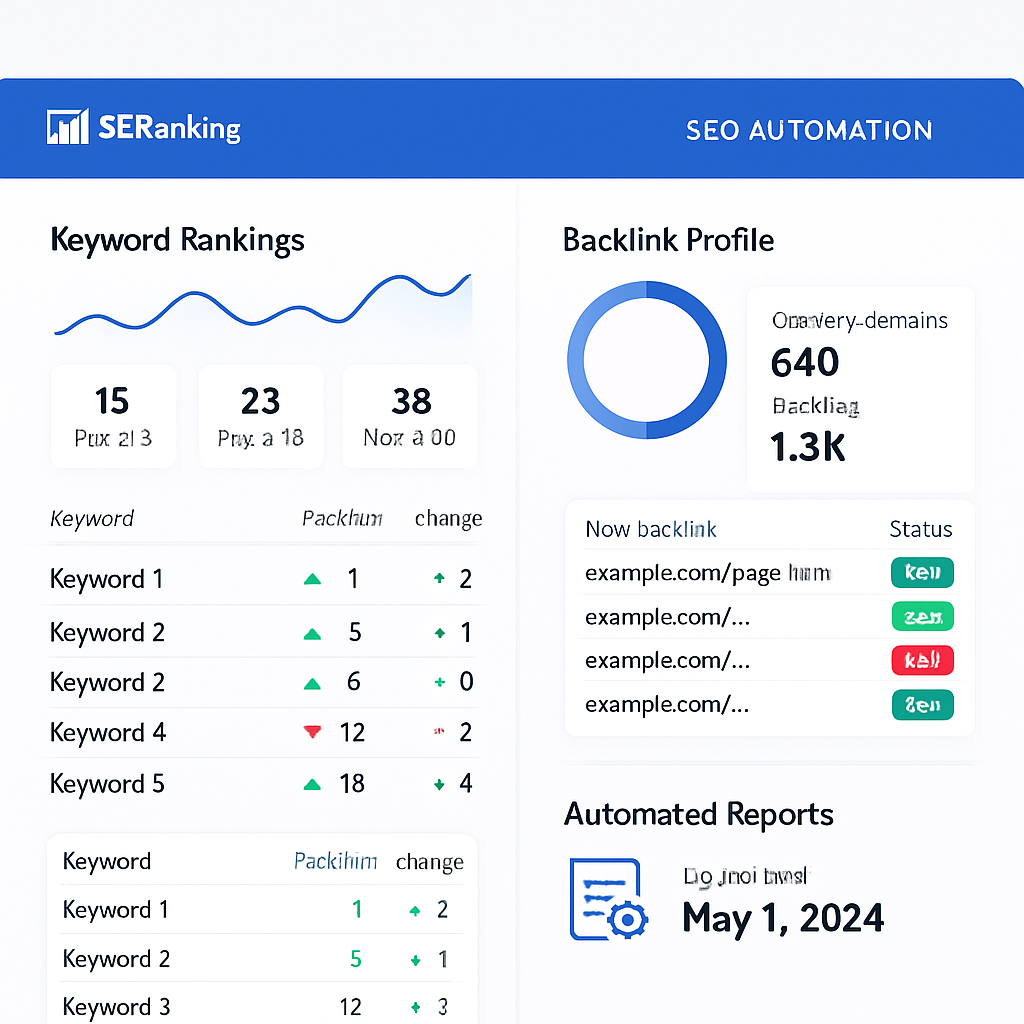
You can automate the production of weekly efficiency reports that highlight traffic sources driving the most conversions. Third-party SEO tools likewise use important APIs.: Offers information on backlinks, keyword rankings, and competitive analysis. Utilize this to construct customized dashboards that track your backlink growth and rival link-building strategies.: Provides insights into keyword research study, site audits, and competitor analysis.
restore GSA SER project from .ser fileHow Technical Link Systems Scale
: Provides access to metrics like Domain Authority, Page Authority, and keyword rankings. Incorporate this data into your material management system to ensure brand-new articles fulfill authority benchmarks.

: Here's an easy Python example utilizing the demands library to fetch data from an API: import demands response = -LRB-''-RRB- print(()): API documents supplies essential info on how to utilize the API, including offered endpoints, needed criteria, and reaction formats. Rate limits are limitations on the number of requests you can make within a certain period, guaranteeing fair use and preventing abuse.
Next, we'll dive into structure useful API-driven SEO workflows. API-driven SEO workflows can significantly lower the time spent on routine jobs. Let's explore how to build these workflows with practical examples that can change your SEO technique. Among the most time-consuming SEO tasks is keyword research study. Nevertheless, APIs can automate the process of extracting keyword information from several sources, making it faster and more effective.
By combining the Google Trends API with other SEO tool APIs, you can recognize trending keywords and long-tail opportunities in real-time. Think of a health care company utilizing APIs to identify trending search terms related to telehealth, allowing them to rapidly enhance their content for pertinent questions. APIs aren't just for information retrieval; they can likewise enhance content development and optimization.
Optimising Global SEO Performance
APIs can analyze existing material and provide ratings based upon readability, keyword usage, and other SEO elements, providing recommendations for improvement. Ai-powered APIs like OpenAI can generate material briefs based upon target keywords and audience, simplifying the material production procedure. APIs can immediately update content based on real-time information, such as prices changes or product accessibility, making sure accuracy and relevance.
Technical SEO can be complex, however APIs can automate numerous tracking and auditing tasks. By using APIs, you can determine and resolve technical issues more efficiently.: Use the PageSpeed Insights API and Lighthouse API to automate site audits, determining performance bottlenecks and SEO issues. APIs can keep an eye on site performance metrics like load time, crawl errors, and broken links, providing real-time insights into prospective problems.
Beyond content briefs, ai-powered APIs can be used for other tasks too. Natural language processing (NLP) APIs can examine consumer evaluations for belief, helping you understand what users like and dislike about your items. Device learning (ML) APIs can even forecast future keyword trends, offering you a heads-up on emerging topics.